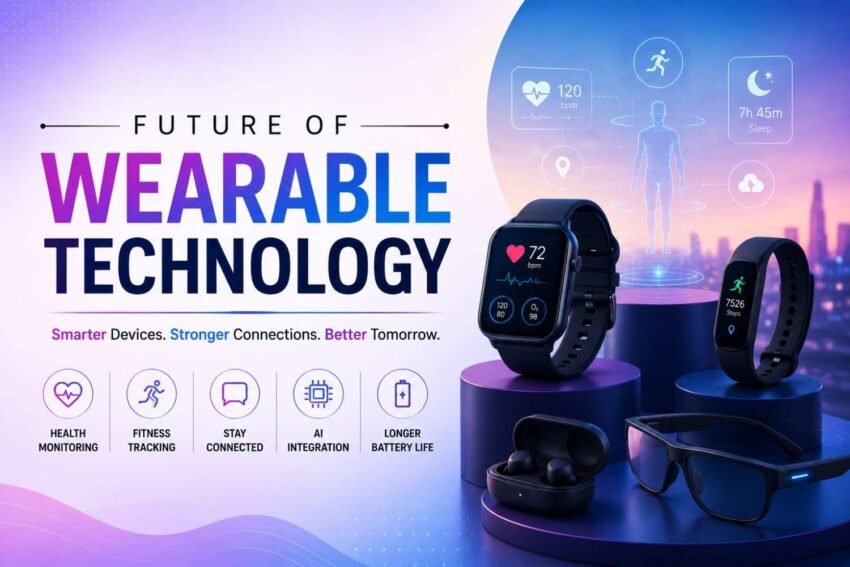
Wearable technology kind of evolved from basic digital watches into really capable smart devices that help people watch over their health, sharpen fitness, stay in touch, and generally make daily tasks easier, more smooth. Nowadays, these wearable gadgets are used by huge numbers of people worldwide, and they come with options like heart rate monitoring , sleep tracking, GPS guidance, contactless payments and quick notifications in real time. And as the tech keeps moving forward, wearables are turning smarter, more precise, and they are getting woven into everyday routines more and more.
A big reason wearable technology is growing so fast is because of breakthroughs in Artificial Intelligence, Internet of Things (IoT) systems, upgraded sensors, and wireless connections that are faster. With these improvements, wearable devices can gather useful information, offer tailored reflections, and sometimes spot early health concerns before symptoms become a real problem. Companies too are taking advantage of wearable tech to strengthen employee safety, boost output, and upgrade customer interactions across different sectors, not just one.
Still, the future of wearable tech goes way beyond fitness tracking alone. Scientists and technology firms are working on what you could call next-gen wearables, ones built for remote healthcare, augmented reality moments, smart garments , and live translation of languages. As those ideas keep developing, wearable technology will end up being a more significant part of normal life , helping people reach better choices while increasing comfort, safety, and overall wellness.
In this all in guide we’ll look at the future of wearable technology, review new innovations, talk about industry use cases, and explain how these smart devices are shaping what comes next . Throughout the article, you’ll also find naturally integrated SEO keywords, including Wearable Technology, Smart Devices, Artificial Intelligence, Internet of Things, Health Monitoring, Fitness Technology, Smartwatch, Augmented Reality, Digital Health, Wireless Technology, Future Technology, Remote Healthcare, Smart Glasses, Connected Devices, and Technology Trends.
Why Wearable Technology Is Growing Rapidly
Wearable devices give people real time insights while still being fairly convenient ,and simple to operate. Rather than dragging around a stack of different gadgets, someone can reach key features straight from the wearable itself, you know, right there.
As the tech keeps leveling up, these wearables are getting cheaper, more capable, and more fit for everyday life as well as day to day workplace tasks.
Benefits of Wearable Technology
- Convenient access to information.
- Continuous health monitoring.
- Improved fitness tracking.
- Enhanced communication.
- Greater workplace efficiency.
- Better user experiences.
Wearables continue becoming an important part of modern digital lifestyles.
1. Advanced Health Monitoring
One of the reasons wearable technology is growing is healthcare. Modern wearable devices already track heart rate, blood oxygen levels sleep quality and physical activity. Future innovations will provide more advanced health insights. This helps users detect conditions earlier and manage chronic diseases more effectively.
Why Health Monitoring Matters
Continuous monitoring helps individuals understand their health. It also gives healthcare professionals information for more accurate diagnosis and treatment.
Future Health Features
- Continuous heart monitoring
- Blood pressure tracking
- Improved sleep analysis
- Stress monitoring
- Early disease detection
- health recommendations
Benefits
- Better preventive care
- Faster medical intervention
- Improved patient awareness
- Healthier lifestyles
2. Artificial Intelligence Will Make Wearables Smarter
Artificial Intelligence makes wearable devices more intelligent. It analyzes user behavior. Provides personalized recommendations. Of just collecting data future wearables will understand patterns. They will offer insights to help users improve their health, productivity and daily routines.
Why AI Is Important
AI turns information into useful recommendations. It makes wearable devices digital assistants, not just tracking tools.
AI-Powered Features
- Fitness coaching
- Smart health insights
- Predictive health analysis
- Intelligent reminders
- Voice assistance
- Activity recognition
Benefits
- decision-making
- Personalized experiences
- Improved accuracy
- Greater convenience
3. Wearables Will Revolutionize Remote Healthcare
Remote Healthcare is growing as digital medical services become more accessible. Future wearable devices will let doctors monitor patients remotely. This reduces hospital visits and improves long-term health management.
Why Remote Healthcare Matters
Patients with conditions can be continuously monitored from home. This improves convenience and medical outcomes.
Healthcare Applications
- Patient monitoring
- Chronic disease management
- Virtual medical consultations
- Medication reminders
- Emergency alerts
- Health data sharing
Benefits
- Better patient care
- Reduced healthcare costs
- diagnosis
- Greater accessibility
4. Smarter Fitness and Wellness Tracking
Fitness tracking is an use for wearable devices. Future Fitness Technology will provide detailed workout analysis. It will offer recovery recommendations, nutrition guidance and personalized coaching.
Why Fitness Technology Matters
Future devices will help users optimize their wellness routine. They will track more than steps and calories.
Future Fitness Features
- workout plans
- Muscle recovery analysis
- Hydration monitoring
- Advanced calorie tracking
- Real-time coaching
- Performance analysis
Benefits
- Better fitness results
- Reduced injury risk
- motivation
- Healthier daily habits
5. Smart Glasses Will Transform Daily Life
Smart Glasses are an area of wearable innovation. Future smart glasses will combine information with the real world using Augmented Reality. This makes navigation, education, shopping and communication more interactive.
Why Smart Glasses Matter
These devices may replace smartphones for everyday tasks. They display information directly in the users field of vision.
Potential Features
- Real-time navigation
- Live language translation
- Hands- communication
- Virtual workspaces
- Interactive learning
- Smart notifications
Benefits
- Greater convenience
- Improved productivity
- Enhanced learning
- Better accessibility
6. Smart Clothing Will Become More Common
Wearable technology is expanding beyond watches and fitness bands. Smart clothing integrates sensors into fabrics. It monitors movement, posture, body temperature and physical performance.
Why Smart Clothing Matters
Smart clothing provides monitoring without extra accessories.
Future Applications
- Athletic performance tracking
- Injury prevention
- Workplace safety
- monitoring
- Temperature regulation
- Posture correction
Benefits
- Comfortable monitoring
- Continuous data collection
- Better performance insights
- Improved health management
7. Workplace Wearables Will Improve Safety
Businesses are adopting technology to improve employee safety and productivity. Industries like manufacturing, logistics and healthcare are exploring solutions.
Why Workplace Wearables Matter
These devices monitor worker safety. Improve operational efficiency.
Workplace Features
- Fatigue monitoring
- Hazard detection
- GPS tracking
- Emergency communication
- Task management
- Safety alerts
Benefits
- Safer workplaces
- productivity
- Reduced accidents
- Faster emergency response
8. Contactless Payments and Digital Identity
Wearables are becoming secure wallets. Future devices may store identification documents, payment methods and transportation passes.
Why It Matters
People will complete transactions without carrying wallets or smartphones.
Future Capabilities
- Contactless payments
- Secure authentication
- Digital identification
- Travel access
- Event ticket storage
- Membership verification
Benefits
- Greater convenience
- Faster transactions
- security
- Simplified daily life
9. Better Connectivity Through IoT
The Internet of Things (IoT) connects devices with homes, vehicles and healthcare systems. Future wearables will communicate seamlessly with smart devices.
Why IoT Matters
ecosystems simplify everyday routines through intelligent automation.
Connected Features
- home integration
- Vehicle connectivity
- Workplace synchronization
- Health record sharing
- Smart appliance control
- Personalized automation
Benefits
- Improved convenience
- Better automation
- Enhanced efficiency
- Smarter daily experiences
10. Longer Battery Life and Improved Design
Battery technology is improving. Wearable devices can operate longer without charging. Manufacturers are developing more comfortable and fashionable designs.
Why Design Improvements Matter
Comfort encourages people to wear devices . This improves usability and long-term value.
Future Improvements
- Longer battery life
- Charging
- Lightweight materials
- Waterproof designs
- displays
- Eco-friendly materials
Benefits
- Better user experience
- Reliability
- Increased comfort
- Longer product lifespan
Challenges Facing Wearable Technology
Wearable technology still faces several challenges. These include data privacy concerns, cybersecurity risks and battery limitations.
Challenges
- Data privacy concerns
- Cybersecurity risks
- Battery limitations
- Device compatibility
- development costs
- Ethical use of health data
Addressing these issues is essential for widespread adoption.
Tips Before Buying Wearable Technology Choose the wearable based on your lifestyle and goals.
Buying Considerations
- Battery performance
- Health tracking features
- Compatibility with your devices
- Comfort and design
- Data security
- Software support
Investing in features provides the greatest long-term value.
The Future of Wearable Technology
The future of Wearable Technology will be kind of shaped by continued innovation in Artificial Intelligence, advanced sensors, the Internet of Things, and faster wireless connectivity, which is obviously… important. Future devices will become more intelligent, more personalized, and even better blended into everyday life. Wearables may eventually monitor your health continuously, help professionals during work in a very practical way, improve learning with augmented reality, and also create smoother interactions between people and tech.
Instead of staying as standalone gadgets, wearable devices will turn into core pieces within connected digital ecosystems that support health, boost productivity, make communication easier, and add convenience, overall.
Conclusion
The Future of Wearable Technology sounds like it will bring exciting improvements that can change how people live, work, and care for their health. From advanced Health Monitoring and AI-powered personal assistants to Smart Glasses, smart clothing, workplace safety solutions, and Remote Healthcare, wearable devices are getting more capable and honestly more valuable each year.
And as innovation keeps going, wearables will move past simple fitness tracking, becoming essential tools for improving daily life. Businesses, healthcare providers, educators, and regular consumers will all profit from smarter, more connected technology that gives real-time insights, and personalized experiences that feel less generic.
By paying attention to what trends are arriving soon, and adopting wearable technology thoughtfully, individuals and organizations can get ready for a future where smart devices play an even bigger role in strengthening productivity, safety, well-being, and digital connectivity.
Frequently Asked Questions
1. What is wearable technology?
Wearable Technology refers to smart electronic devices worn on the body, such as smartwatches, fitness trackers, smart glasses, and smart clothing, that collect data and provide useful digital features.
2. How will wearable technology improve healthcare?
Future wearables will support Remote Healthcare by continuously monitoring health conditions, detecting potential problems early, sharing health data with medical professionals, and improving preventive care.
3. Will AI improve wearable devices?
Yes. Artificial Intelligence will help wearable devices analyze personal data, provide health recommendations, improve fitness coaching, predict medical risks, and deliver more personalized user experiences.
4. What industries benefit from wearable technology?
Healthcare, fitness, manufacturing, logistics, education, retail, construction, transportation, and corporate workplaces are among the industries adopting wearable technology to improve efficiency and safety.
5. Is wearable technology worth investing in?
For many users, yes. Modern wearable devices offer valuable features such as health tracking, fitness monitoring, communication, productivity tools, and convenience, making them a worthwhile investment for both personal and professional use.